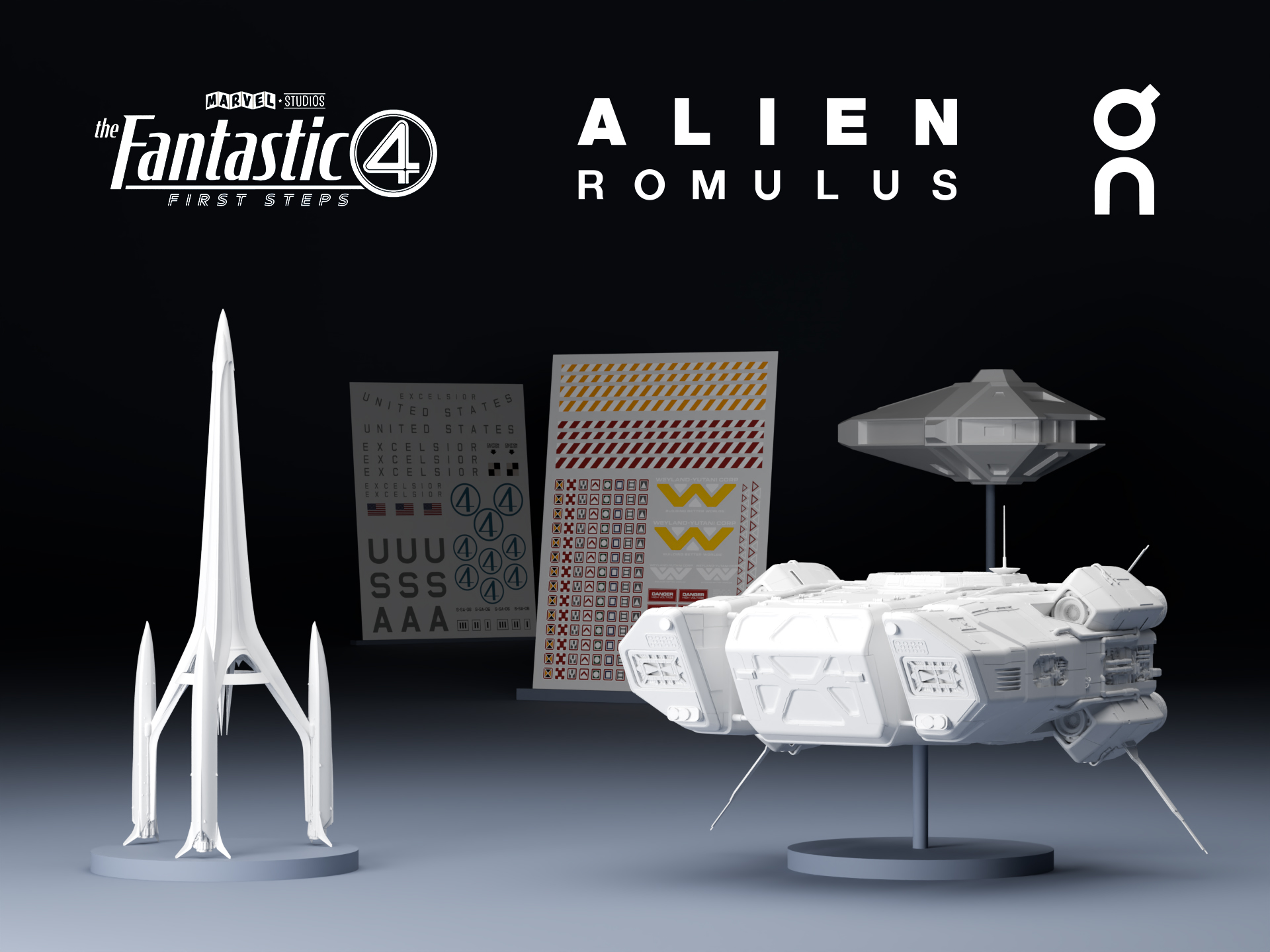
High-Visibility 3D Modeling and Graphic Production
Overview
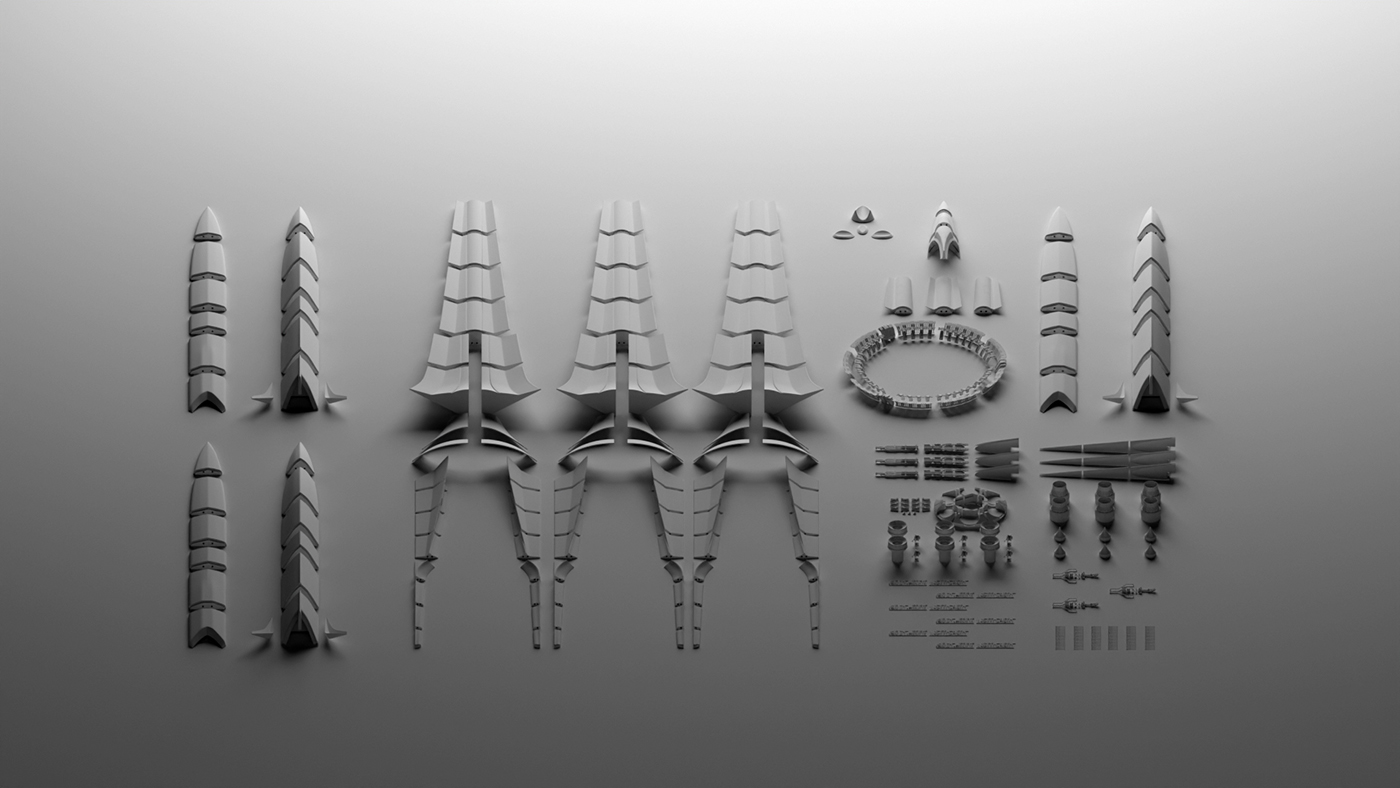
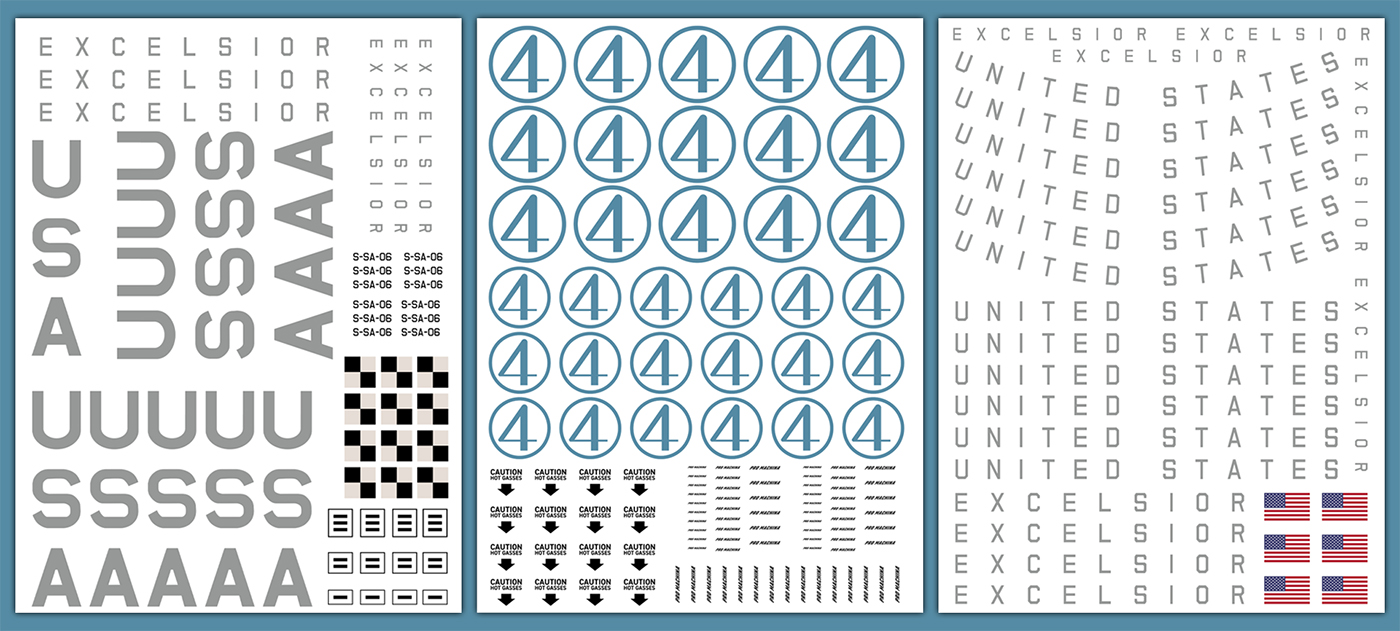
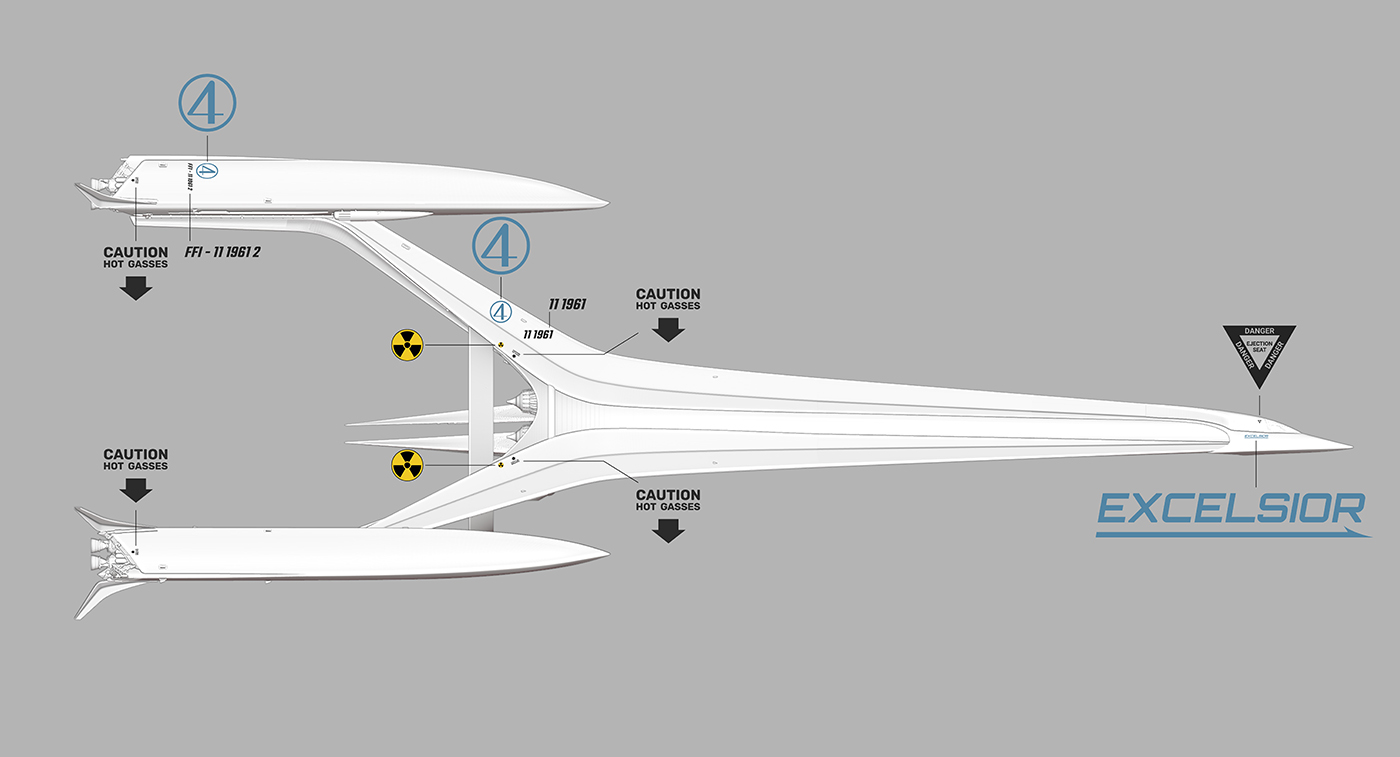
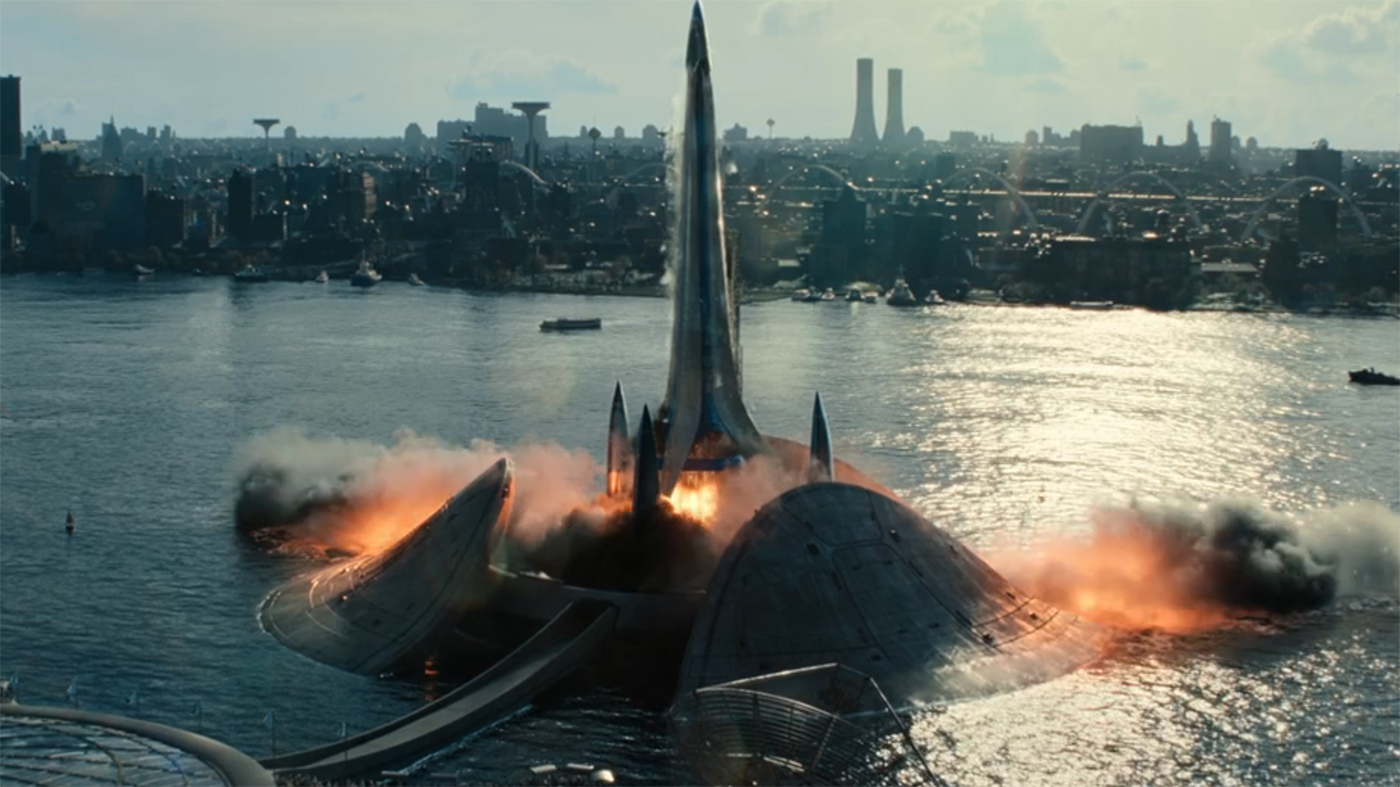
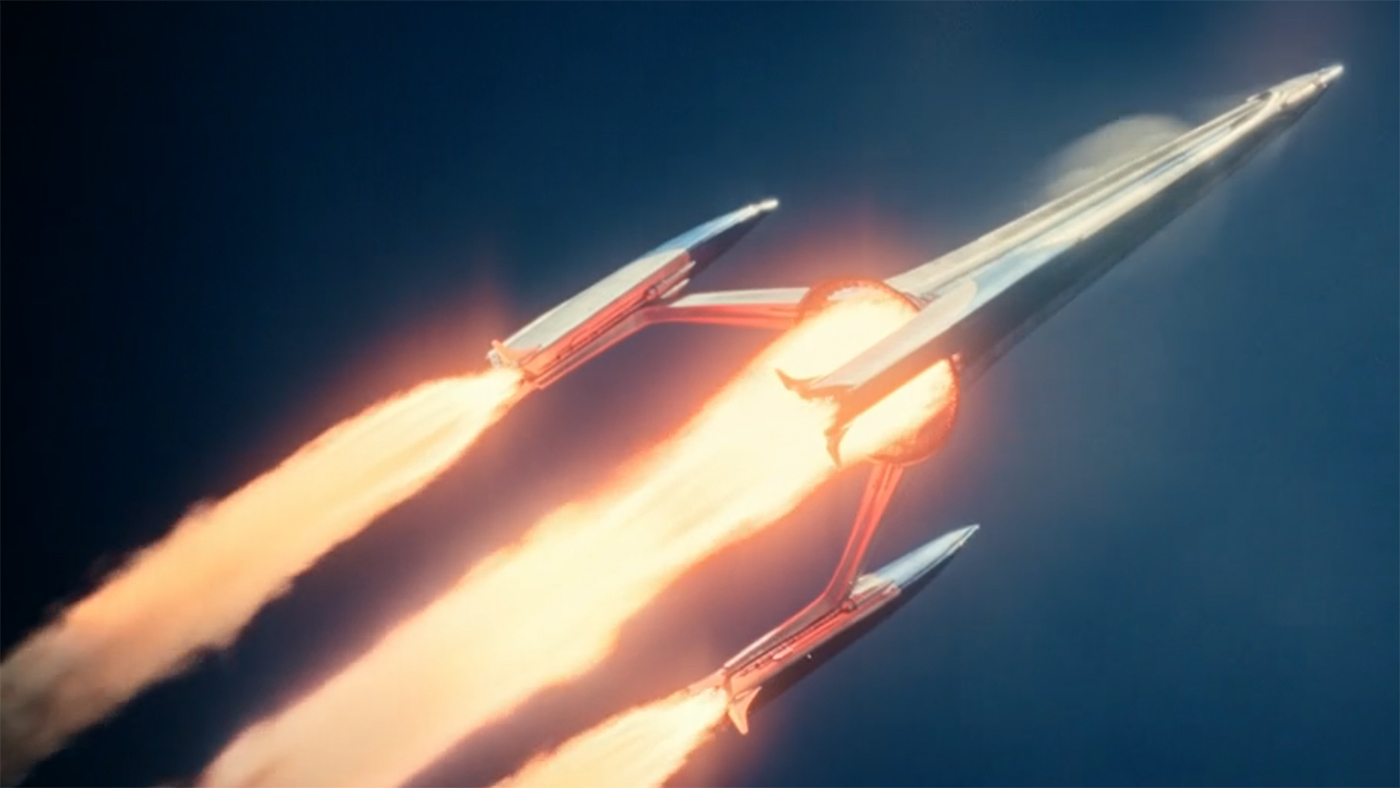
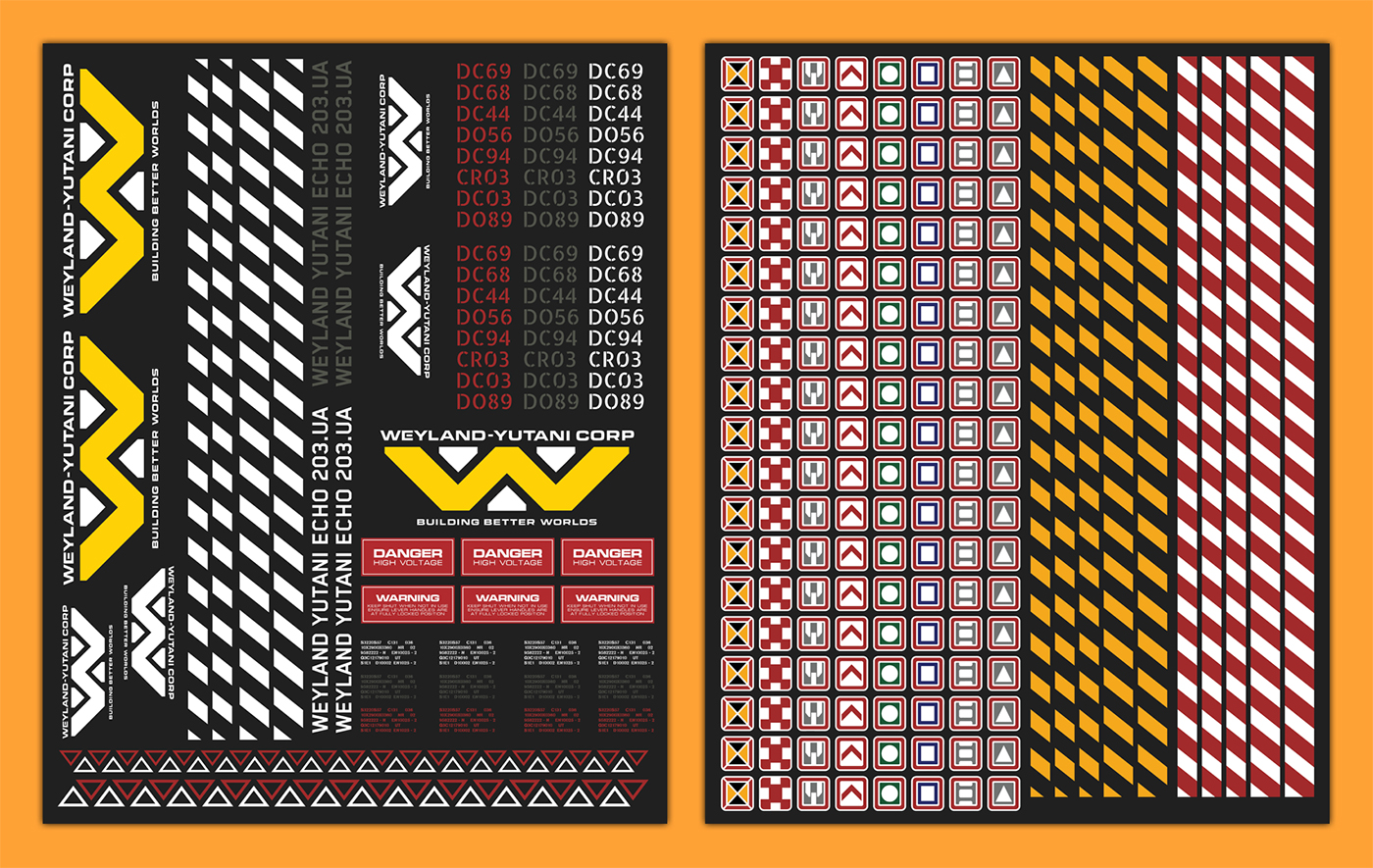
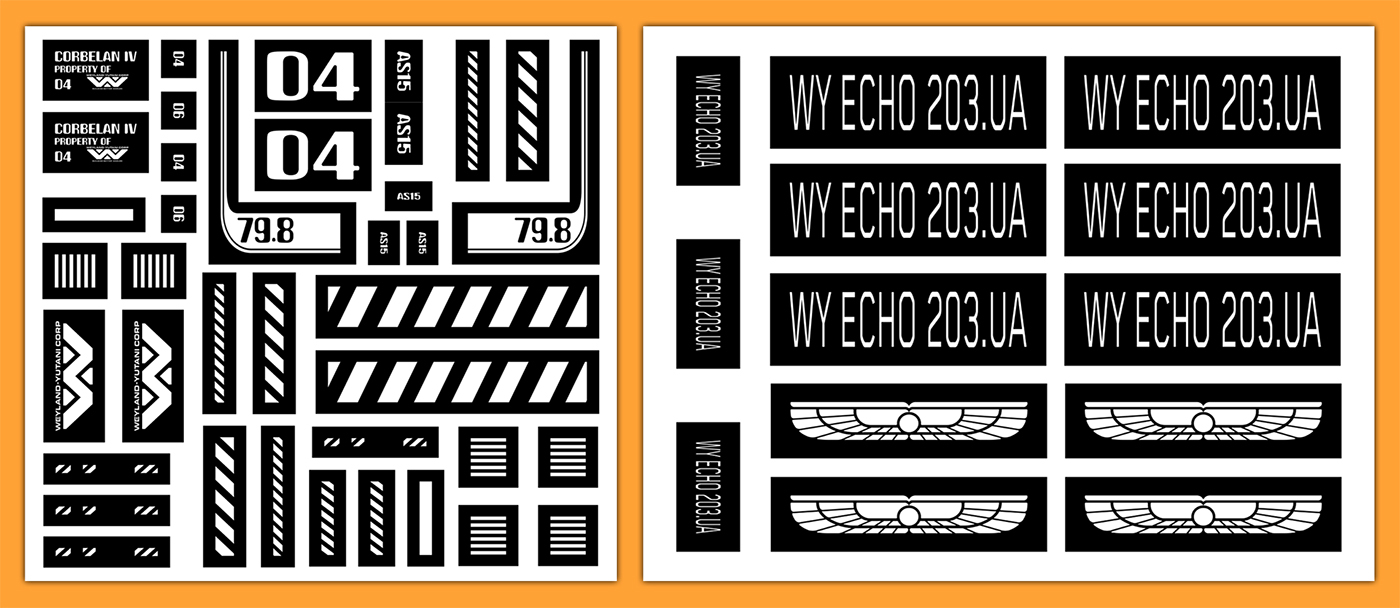
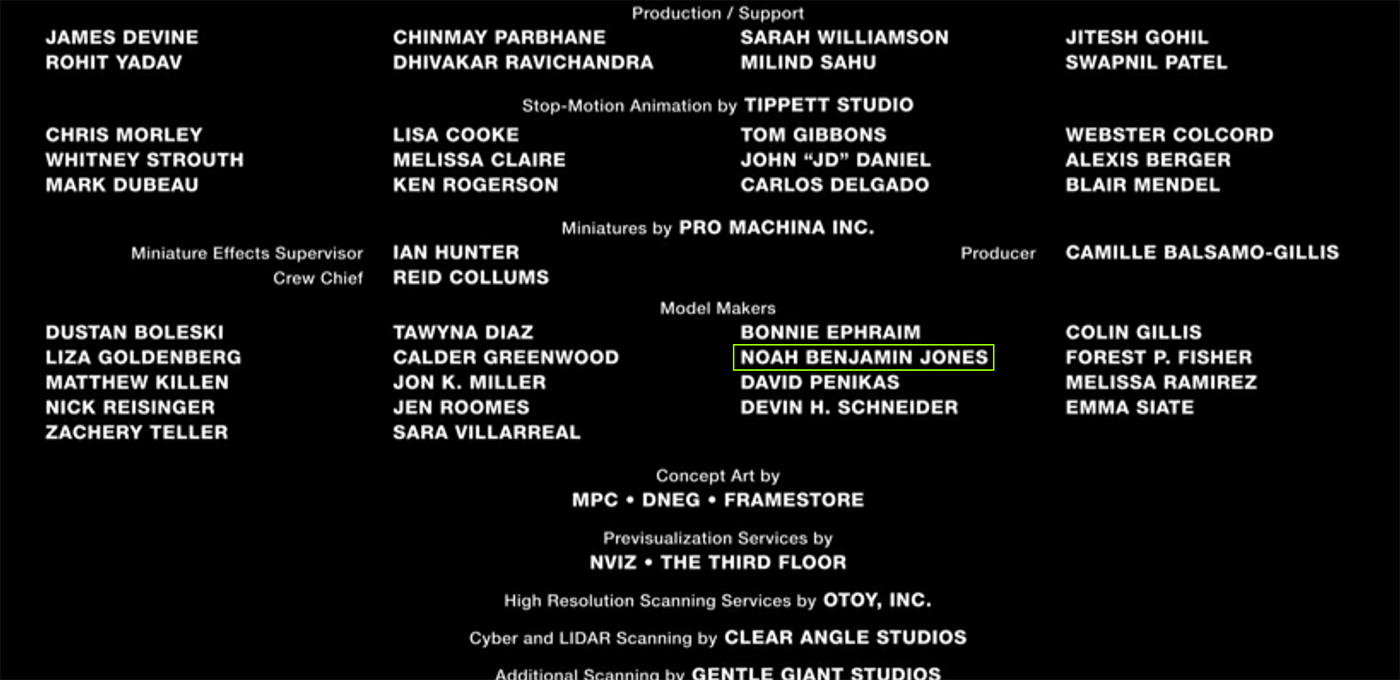
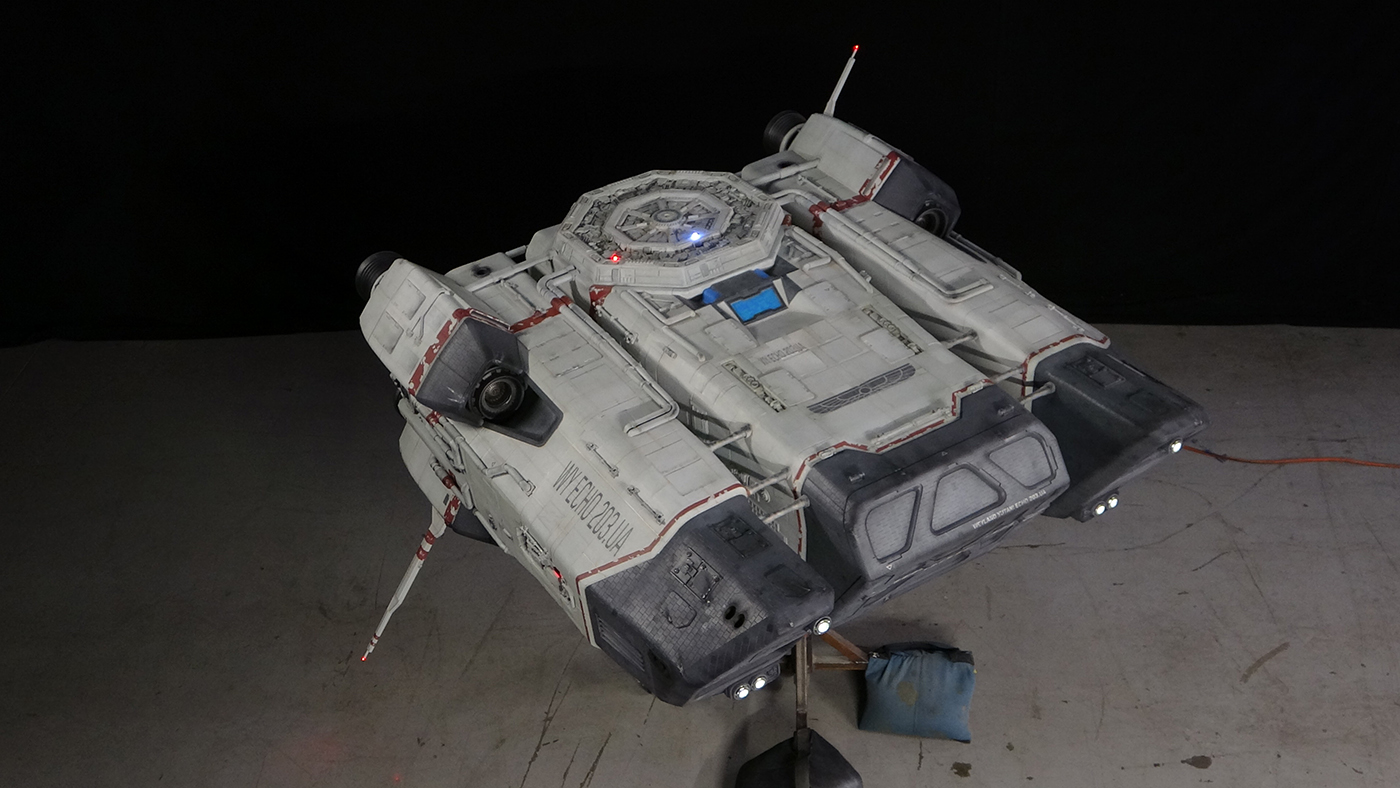
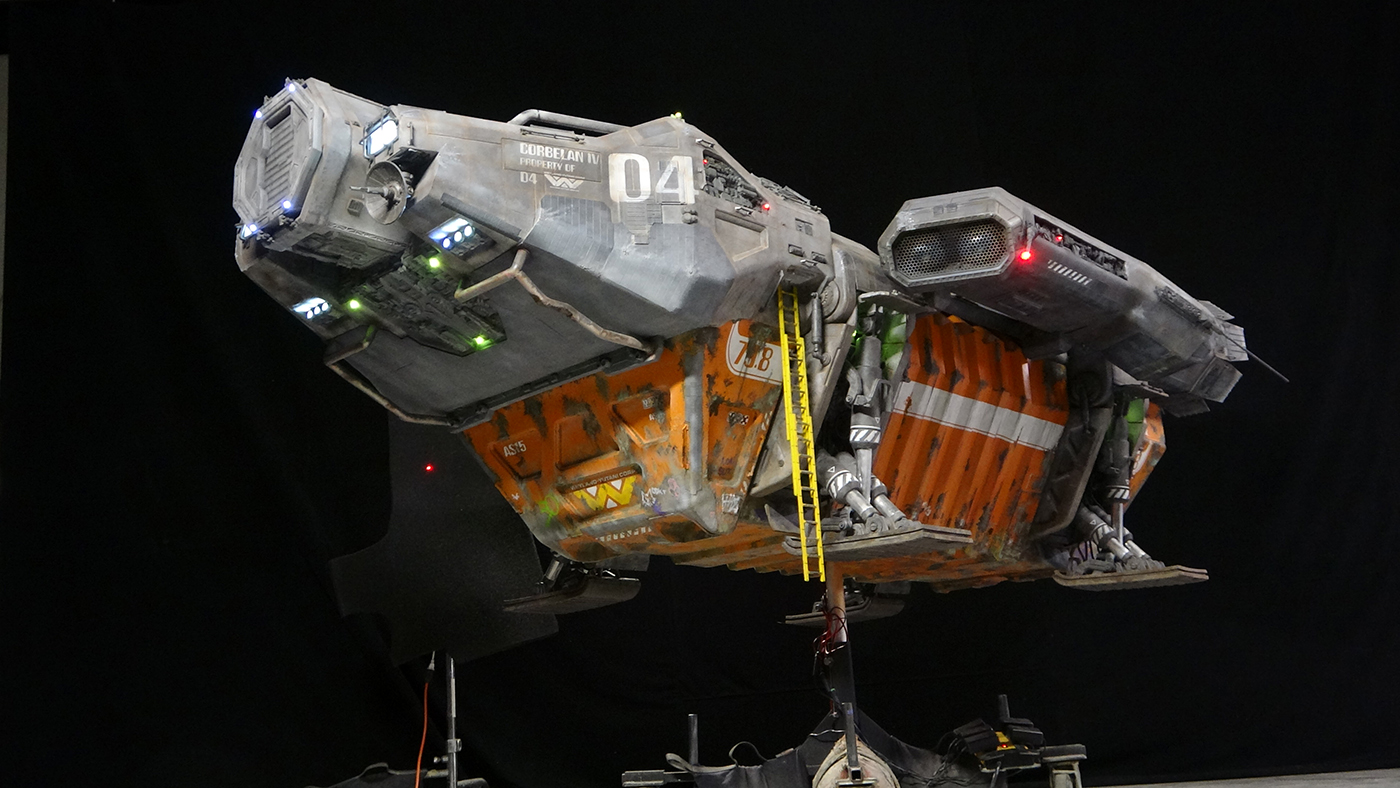
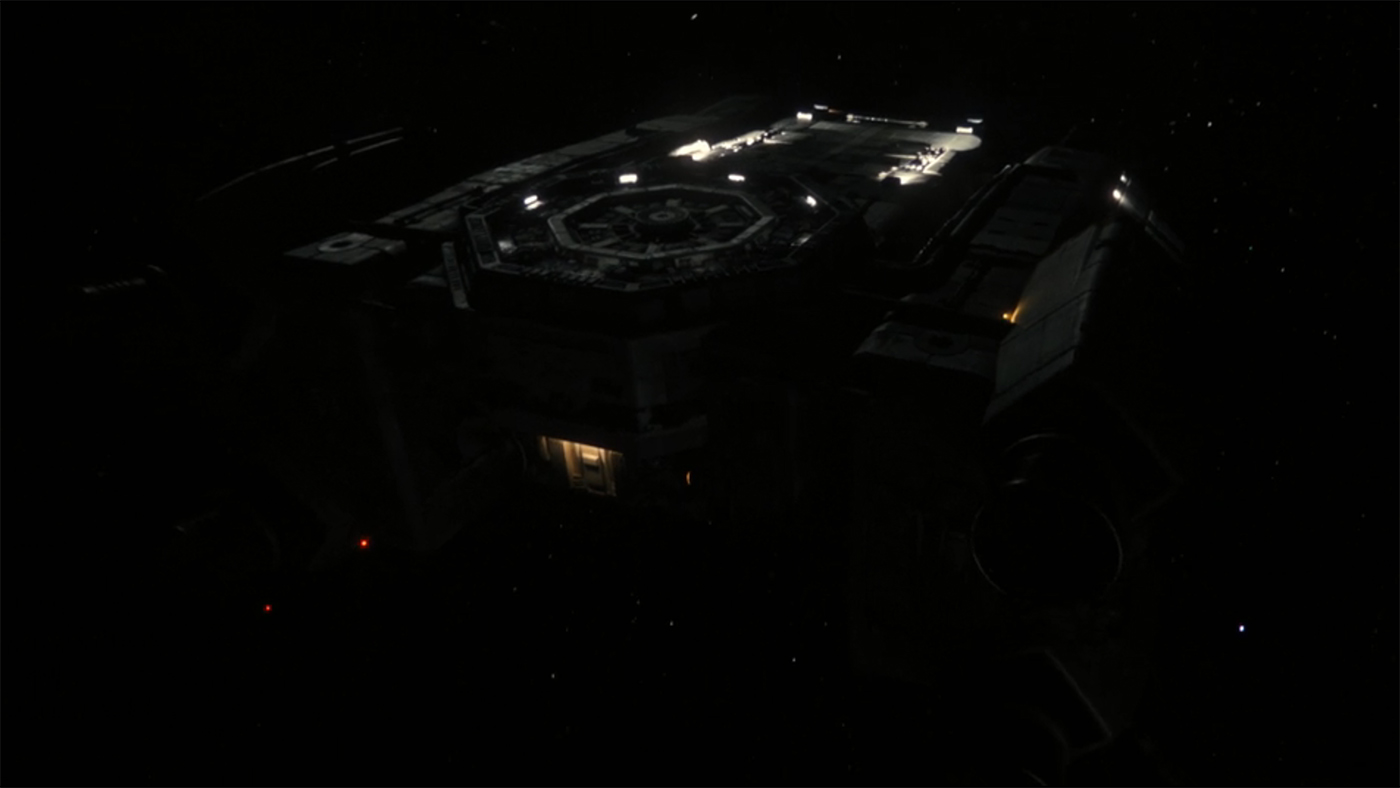
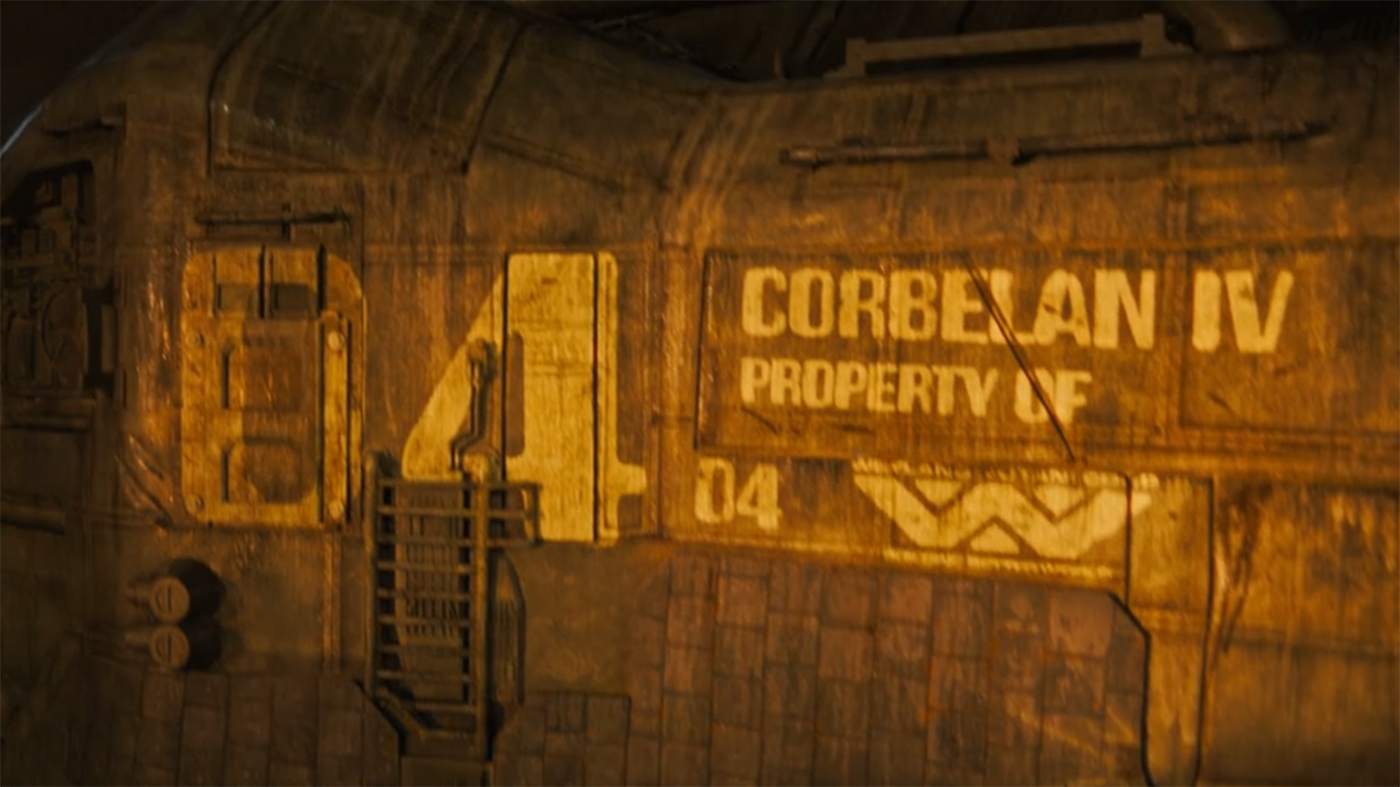
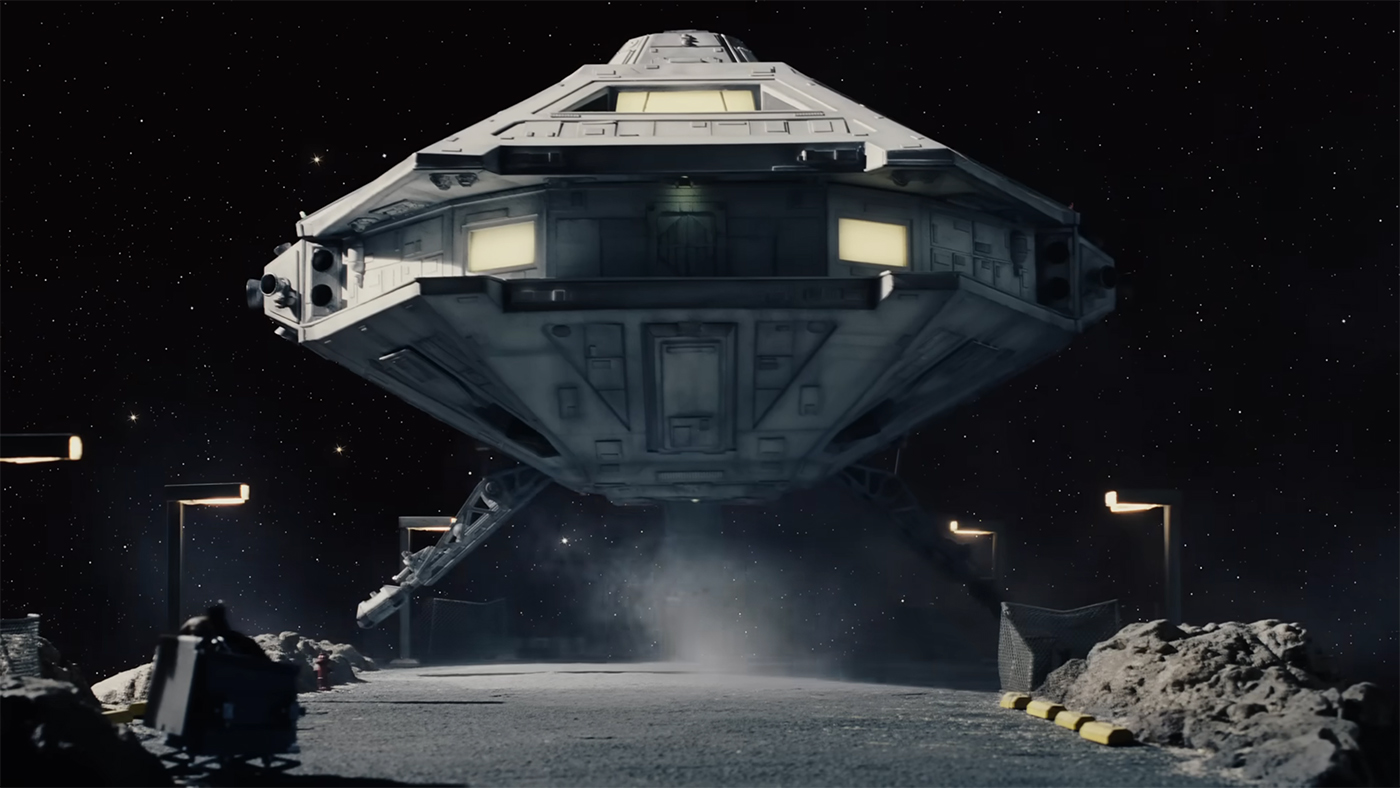
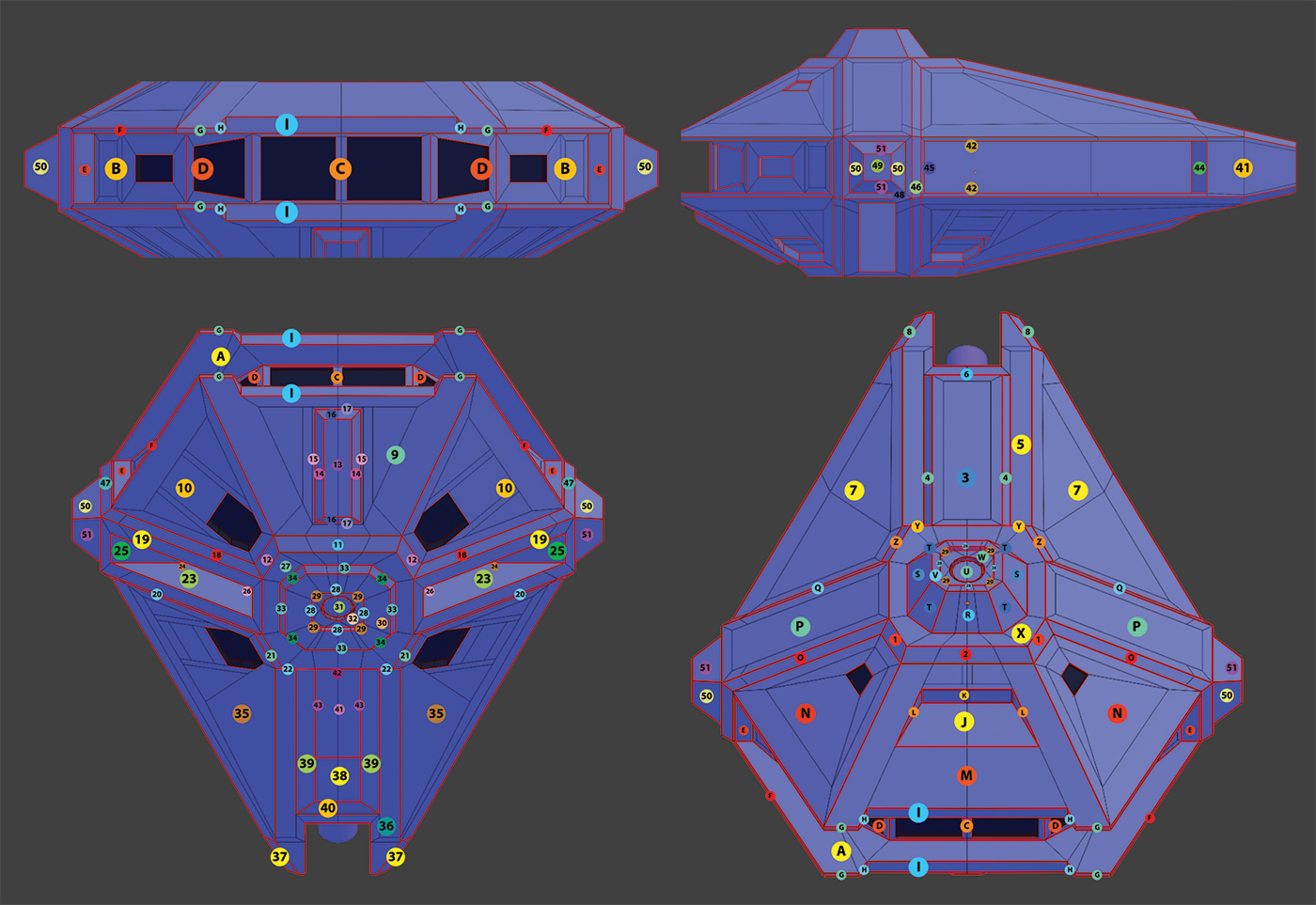
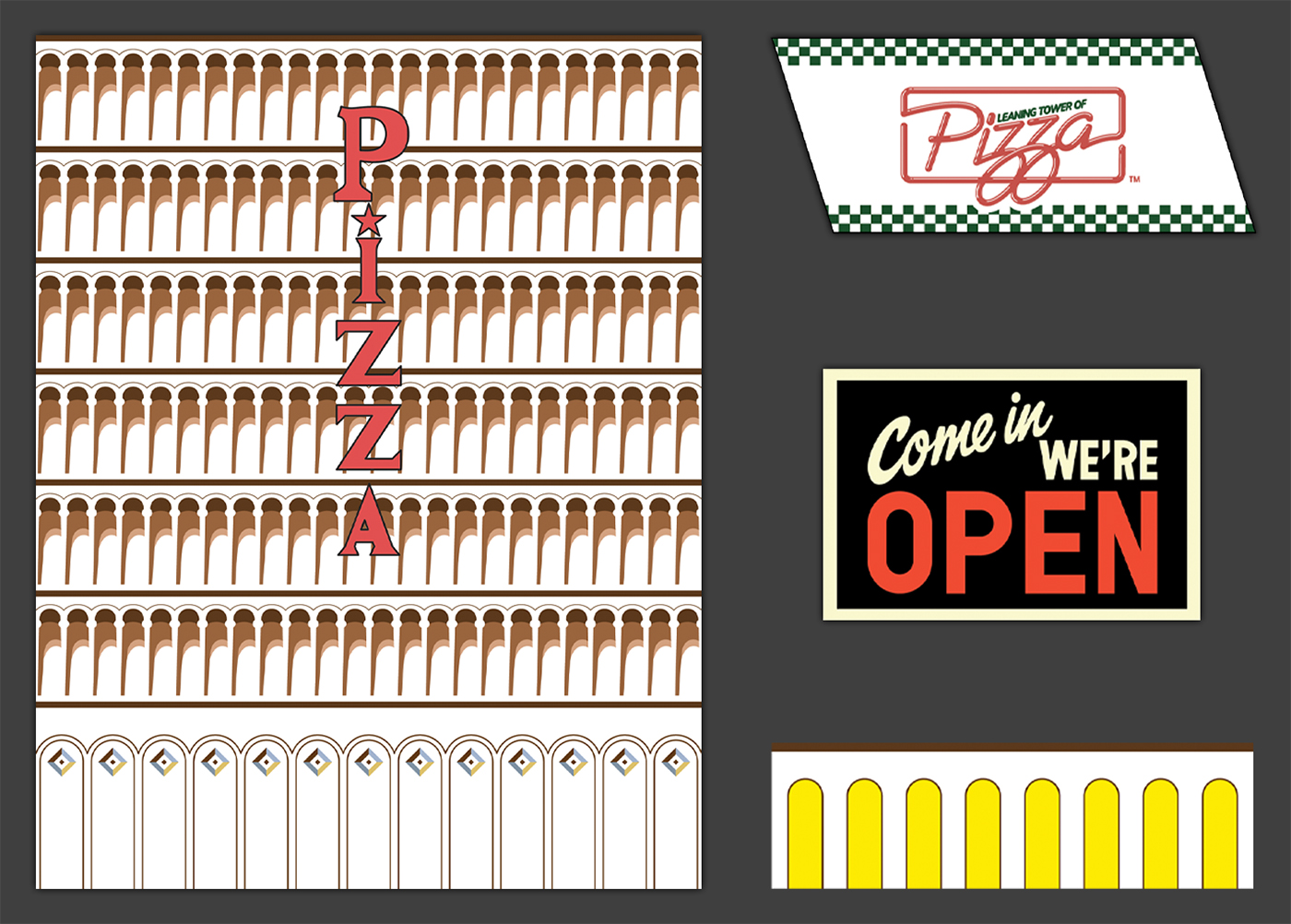
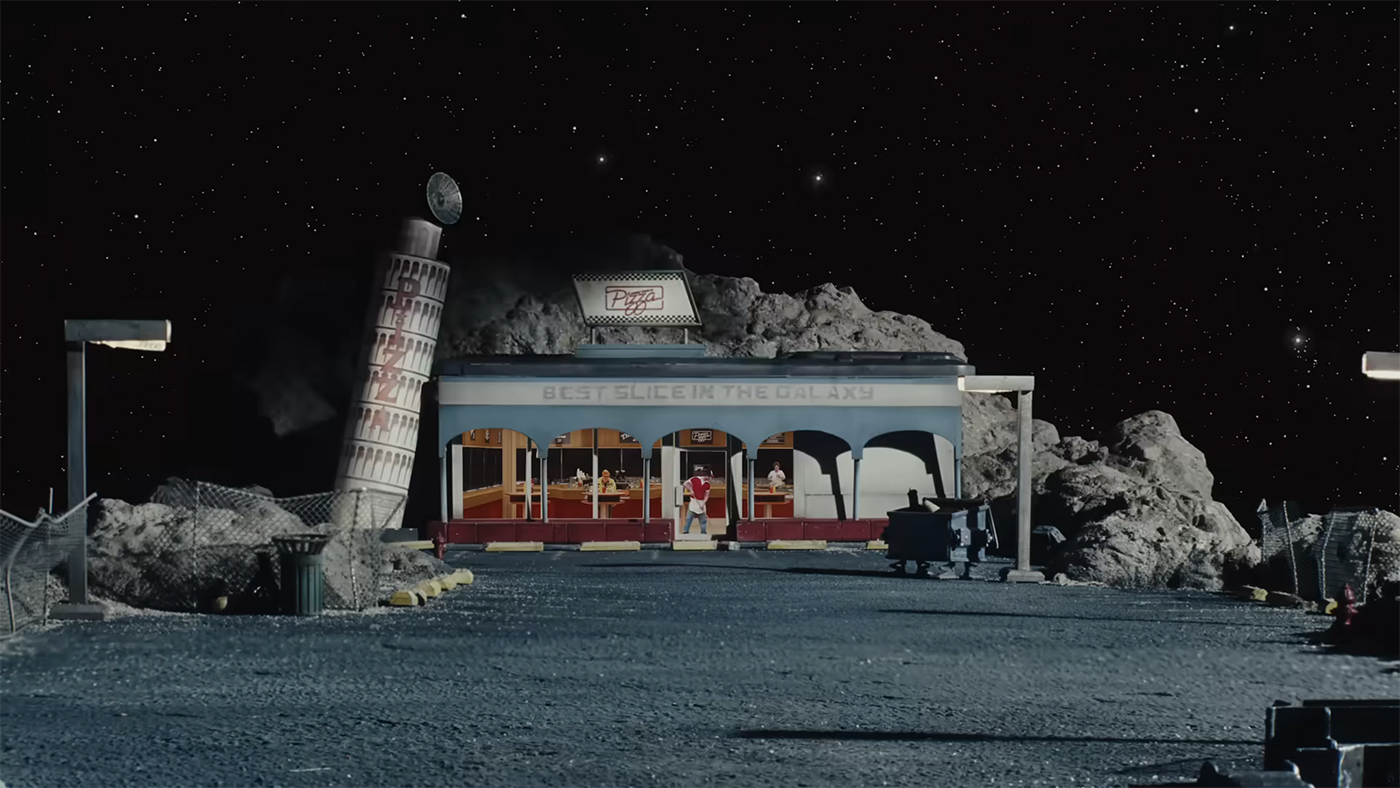
This body of work highlights selected high-profile entertainment and commercial projects completed in collaboration with Pro Machina. Across these assignments, I contributed to the development of physical models, production-ready assets, surface graphics, and fabrication support for miniature builds used in practical and digital effects.
The work demanded a high level of technical precision, close attention to detail, and the ability to translate artistic source material into clean, manufacturable outputs. Together, these projects reflect my ability to contribute to complex creative productions where craftsmanship, accuracy, and execution quality are critical.
Design Challenge
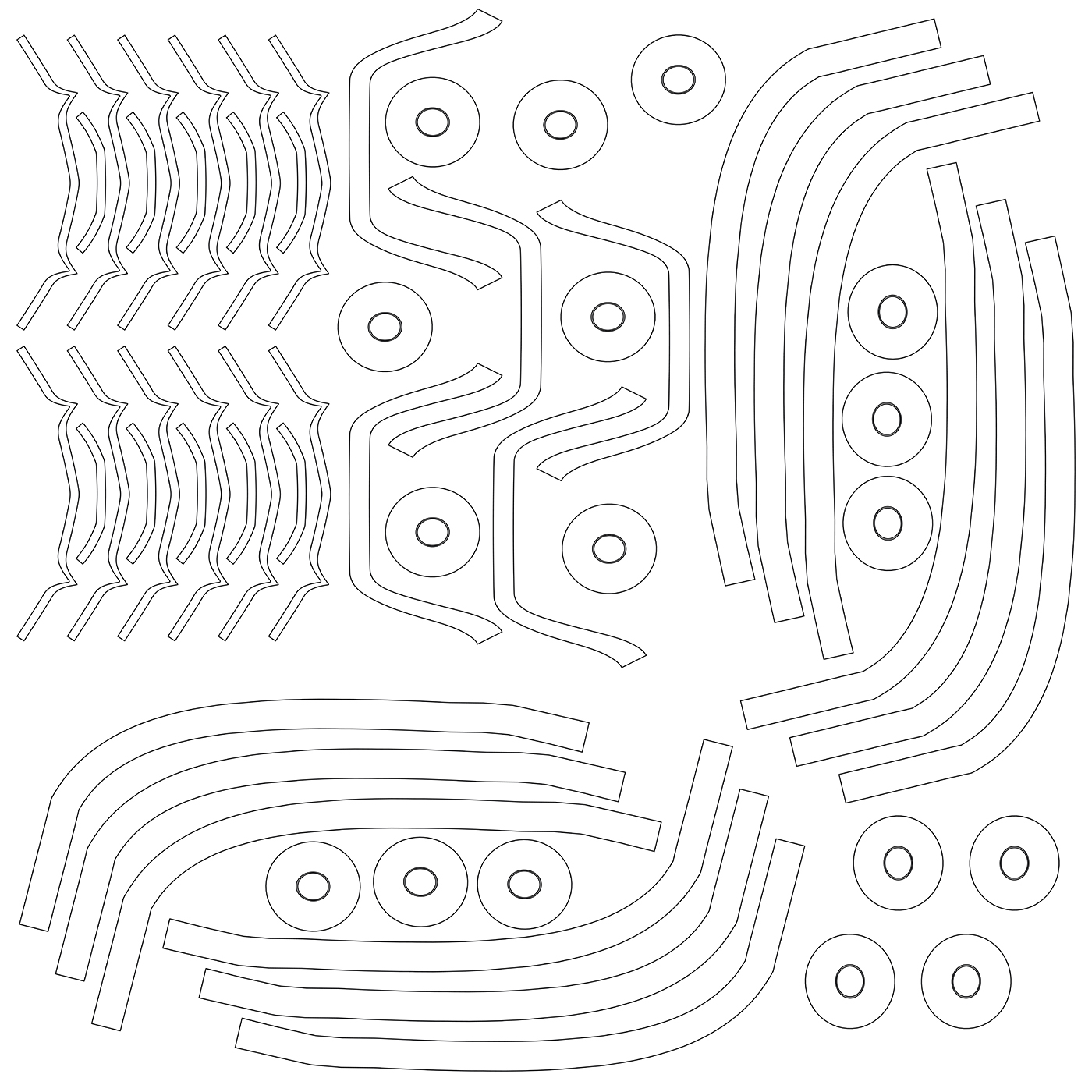
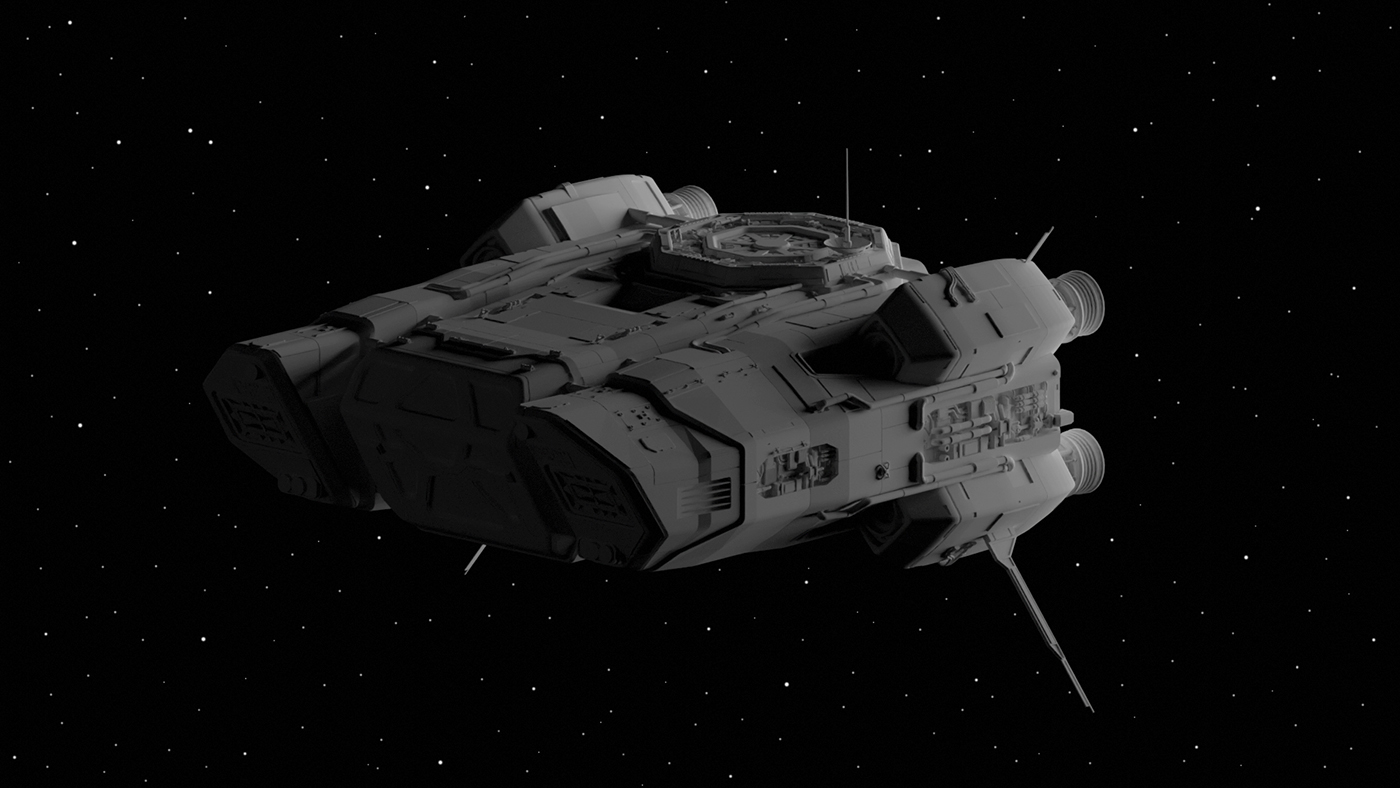
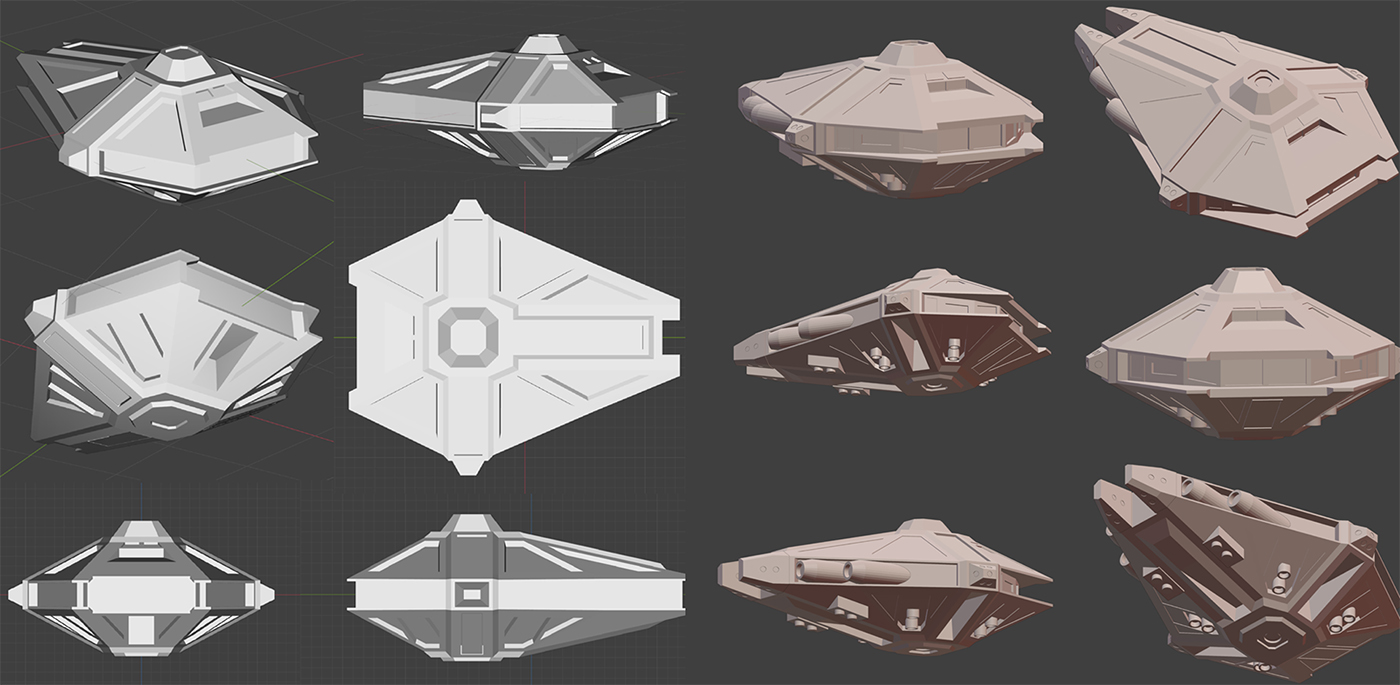
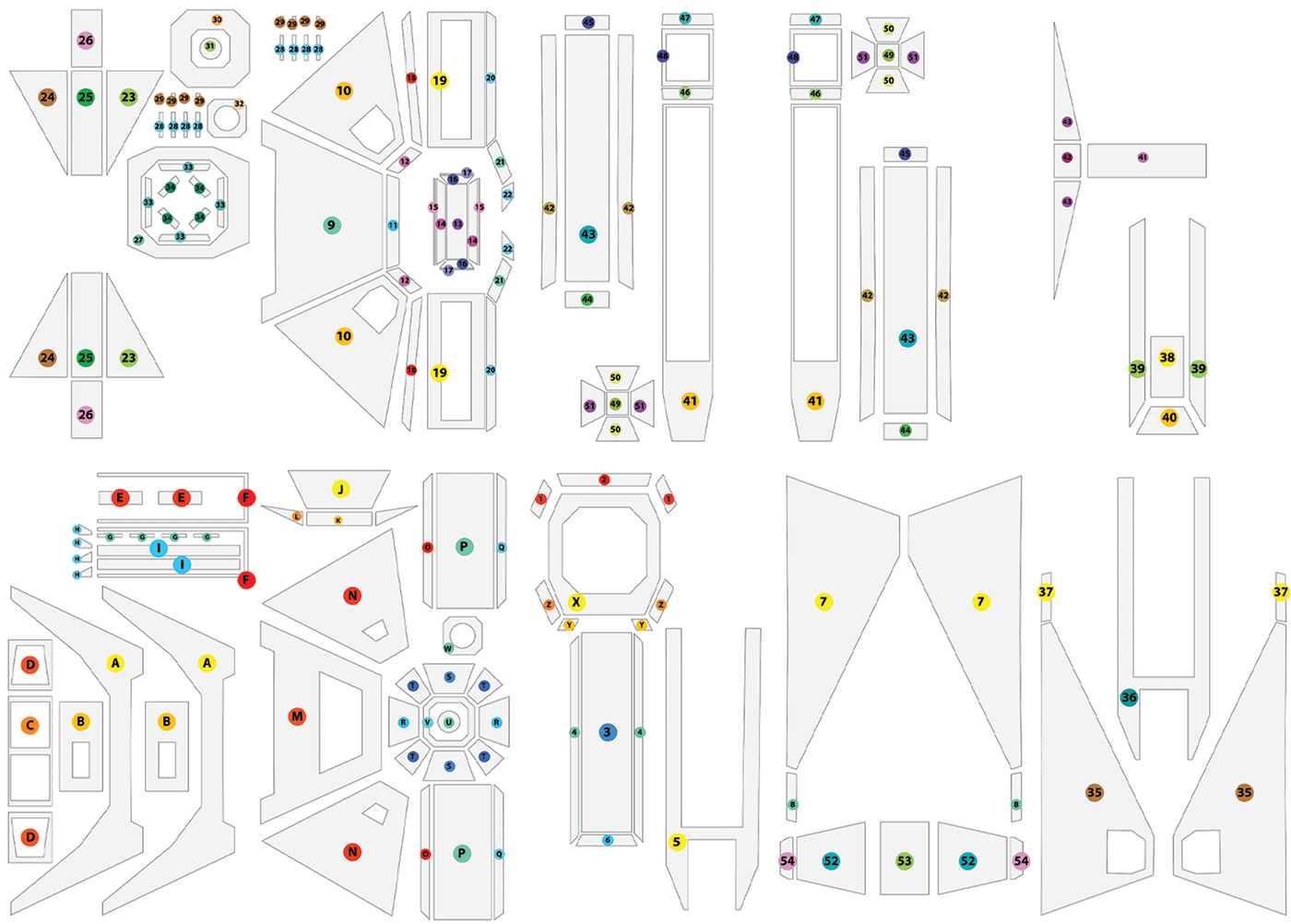
These projects required transforming visually expressive concept and model data into assets that could function in real production environments. In many cases, that meant taking rough or artist-driven 3D files and refining them into clean, fabrication-ready geometry suitable for printing, assembly, masking, and finishing.
The challenge was not only aesthetic, but highly technical: every model needed to maintain the integrity of the original design while being adapted for real-world manufacturing processes, physical construction, and surface application. Because the work supported high-visibility productions, precision and consistency were essential at every stage.